
Transportation of Property by Air , Use of International Air Travel Facilities
Transportation of Property by Air
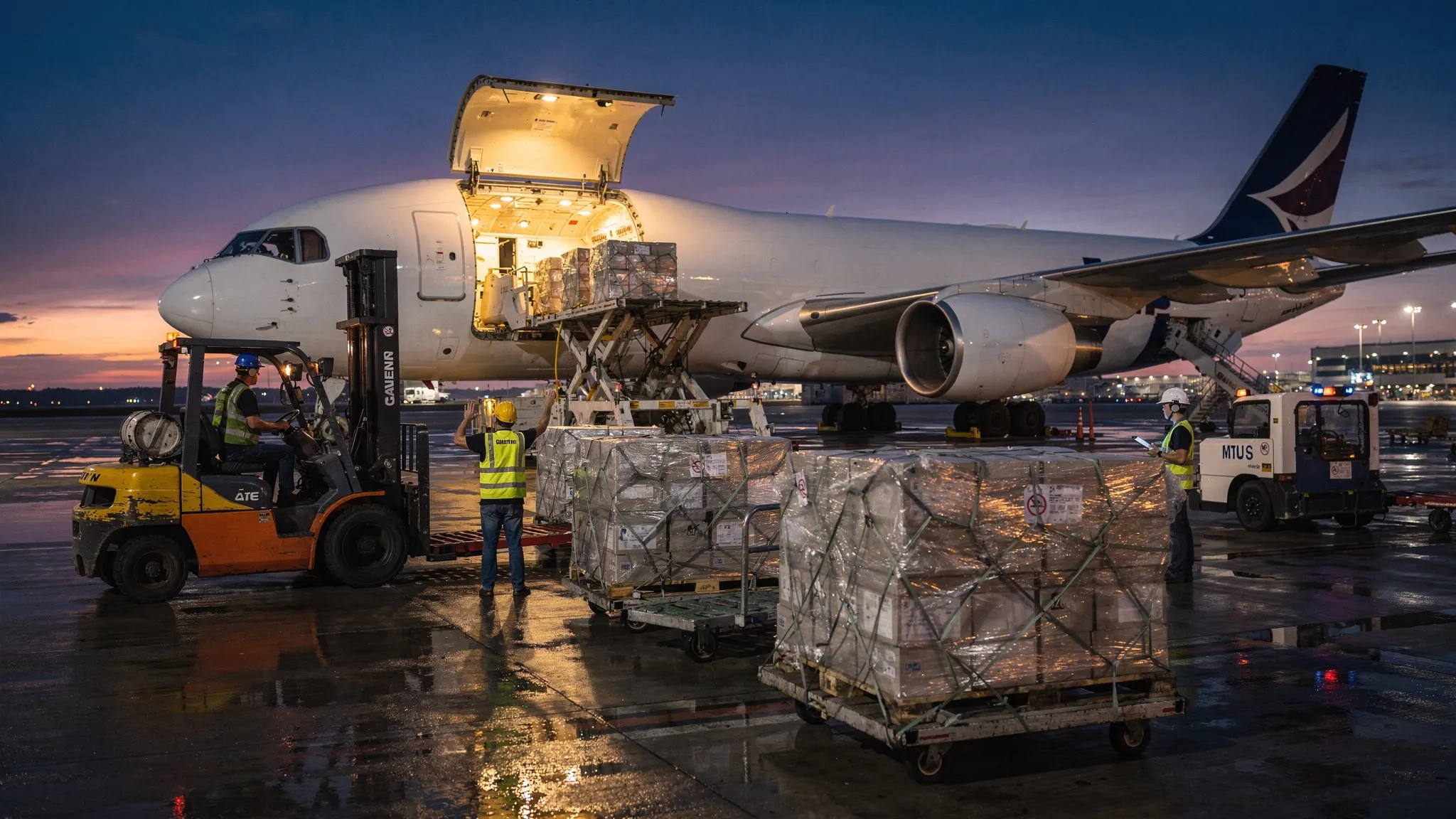
Moving goods by plane triggers a federal excise tax that carriers must collect and report each quarter. If your company bills shippers for domestic air cargo you likely owe this tax and must file the return on time. With eFileExcise720 you can prepare and transmit your filing fast with clear prompts and live help. This page explains what the Transportation of Property by Air tax covers who must file how to calculate taxable amounts and how our IRS authorized portal makes compliance simple.
Transportation taxes can feel complex yet they follow a few practical rules. The charge applies to amounts paid for carrying property by aircraft between points in the United States. If your business sells the air segment of a shipment you are generally the collector. The tax is part of the Communications and Air Transportation Taxes group on the federal return so you report it with other air related items in one quarterly form.
What is the Transportation of Property by Air tax
The Transportation of Property by Air excise tax applies when a customer pays for air carriage of goods between points in the United States. The person that receives payment must collect the tax and show it on the bill or keep records that prove the amount collected. This is often the airline or an air freight forwarder. Charges that are part of the air segment such as fuel or security fees are generally included when figuring the taxable amount.
Who must collect and file the tax
If you sell an air freight leg you likely collect the tax. Airlines integrated carriers charter operators and indirect air carriers that invoice shippers or consolidators are typical collectors. Most collectors file the federal excise return each quarter and deposit tax based on the IRS schedule for semimonthly periods. Recordkeeping must support how you computed the base and any exemptions you claimed.
On the quarterly excise return you report the total for this levy with other air related items. The category appears inside Communications and Air Transportation Taxes so your figures flow to the same part of the return as passenger air and international facility items. If you later find an error you can amend with Form 720 X or claim a refund when eligible using form 8849 subject to IRS limits and rules.
What counts in the taxable amount
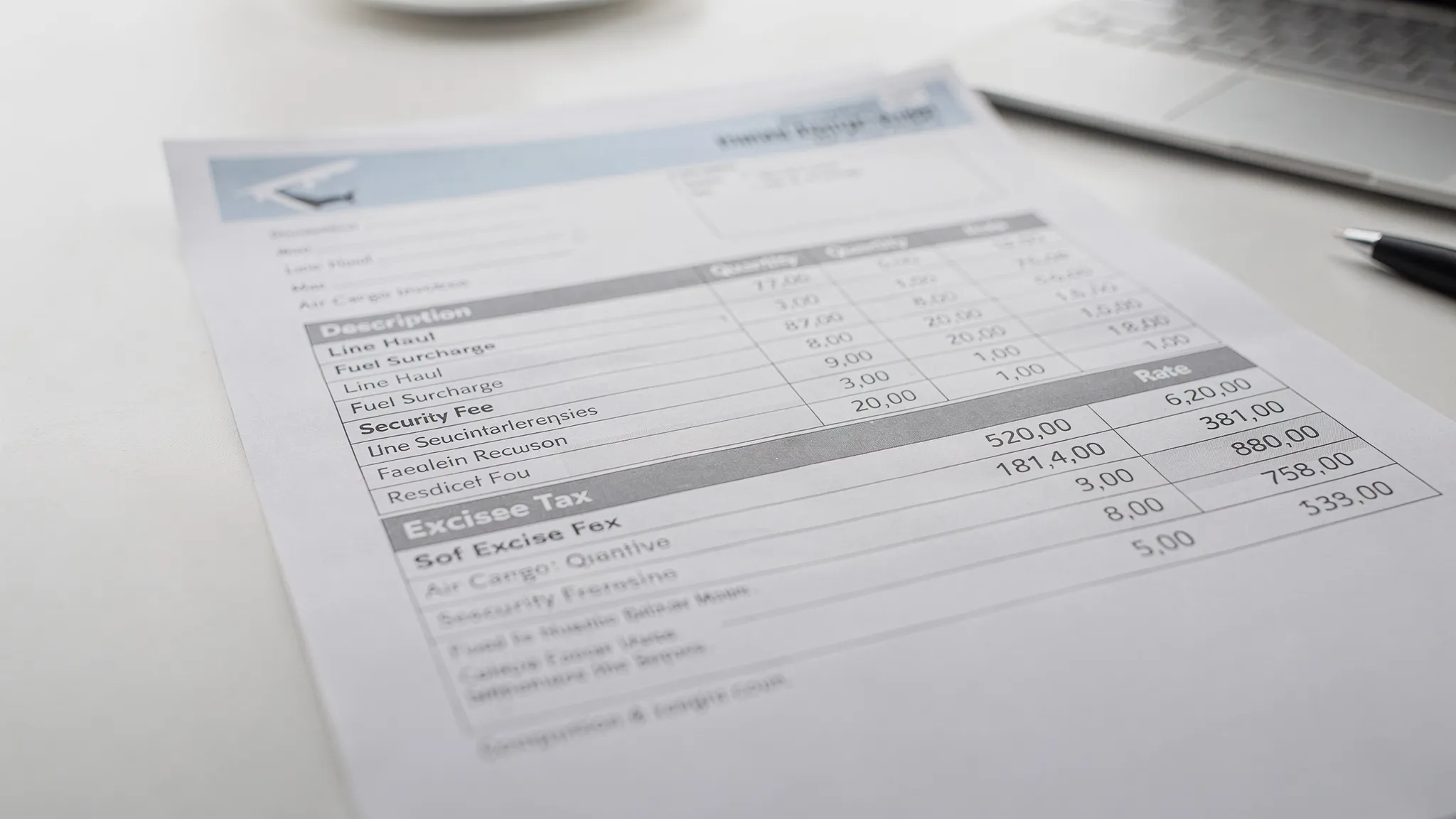
The base usually includes the total paid for the air leg which may cover line haul charges fuel or security surcharges terminal fees and pickup delivery that are part of the air carriage. Amounts that only relate to ground transportation outside the air leg are not included. If a shipment moves by truck to the airport then by air then by truck to final delivery only the air portion is subject to the levy.
Certain customers or movements may be exempt under the code. Examples can include sales to the United States government and to some states under specific rules or shipments that occur wholly outside the country. Always confirm exemptions with current IRS publications and keep documents that support the zero tax treatment in case of review.
Many shippers call this the Property Transport by Air Tax or the Air Freight Excise Tax which both describe the same federal levy on air cargo.
How eFileExcise720 simplifies filing
eFileExcise720 is an IRS authorized e filing portal built to make your quarterly compliance faster and less stressful. Create a free account start a return in minutes and move through a guided workflow that covers every required entry. The dashboard is simple so finance teams and small operators can finish tasks without training. Data stays protected with secure handling and our support team is available when you need help.
- IRS authorized e filing
- Supports all Form 720 categories including Air Transportation of Property
- Simple dashboard navigation and saved drafts
- Personalized customer support by chat phone or email
- Help with 720 X amendments when needed
For detailed rules see the IRS Instructions for Form 720 on air transportation taxes.
Conclusion
The Transportation of Property by Air rules do not need to slow your operations. With an accurate base clear records and on time filing you can meet every quarterly duty with confidence. Create your account at eFileExcise720 then file in minutes with an IRS authorized flow that reduces mistakes and saves time. Start now to e file your return with guidance from a team that knows air cargo taxes.
FAQs
What payments trigger the Transportation of Property by Air tax? Amounts paid for air carriage of goods between United States points when you sell the air leg. The collector is the party that receives payment and must collect and file the excise return.
Who files the return for this tax? Airlines integrated carriers charter operators and indirect air carriers that invoice shippers usually file. If a third party billed the customer and kept the money that party is generally responsible for reporting and paying the tax.
How do I figure the taxable amount? Include the total price for the air segment which can cover line haul fuel or security surcharges terminal fees and pickup delivery that are part of the air carriage. Exclude amounts that only relate to ground transport.
Are any customers or shipments exempt? Yes under specific rules that you must verify in current IRS guidance. Common examples include sales to the United States government and some state entities or movements outside the country. Keep documents that prove any exemption you claim.
What if I discover an error after filing? You can correct the quarter now. Use Form 720 X to amend or file a claim when rules allow. Keep schedules that show how you calculated the change and any supporting records.
Use of International Air Travel Facilities
International flights involve a federal charge on each paid passenger who begins or ends travel outside the United States. Airlines and charter operators collect this amount when they sell a ticket then report it quarterly. With eFileExcise720 you can complete the required entries fast with accurate totals and a guided workflow that reduces stress.
This page explains the international air travel facilities tax who must file when it applies and how our portal simplifies compliance. You will learn the core rules common exceptions and tips for smooth reporting through an IRS authorized e filing process.

What is the Use of International Air Travel Facilities tax
The Use of International Air Travel Facilities tax is a federal excise charge on the purchase of air transportation by persons when the trip begins or ends outside the United States. It is sometimes called the international flight excise tax because it applies to international itineraries rather than domestic travel. This item appears under Communications and Air Transportation Taxes on the federal excise return. This IRS international air travel tax is a fixed amount per qualifying journey rather than a percentage of the ticket price.
Who collects and files
Airlines charter operators and certain indirect air carriers that sell the tickets collect the charge from passengers. The party that receives payment deposits the tax and files the quarterly return. Accurate records should tie each remittance to the sales system and show how totals were computed.
When the tax applies and common exceptions
The charge applies to paid transportation of persons by air that begins in the United States and ends outside the country or begins outside the United States and ends inside the country. Trips that include domestic segments as part of an international journey are generally in scope for the fee.
Common exceptions exist in law. Examples can include official United States government travel some small community flights that use limited capacity aircraft and certain movements by foreign officials under treaties. Always review current IRS guidance and retain documents that prove any exemption applied.

Reporting steps with eFileExcise720
You report total collections each quarter and transmit the return through an IRS authorized portal. With eFileExcise720 you start a return choose the proper category complete the summary for this tax then review and submit. The workflow helps prevent missed entries and keeps your data secure.
On Form 720 international air travel facilities appears in the air transportation section so your totals flow with other related items. If you need to claim a refund for an overpayment you may use the 8849 form when eligible under IRS rules.
- IRS authorized e filing with free account creation
- No software download needed and simple dashboard
- Personalized customer support by chat phone or email
- Supports all Form 720 categories including international items
- Amendments with 720 X and claim guidance when applicable
See the IRS Instructions for Form 720 for definitions schedules and current rates.
Operational tips for accuracy
Match ticketing reports to deposits by semimonthly period so payments tie to the right quarter. Keep copies of itineraries refunded tickets and evidence for exemptions. Reconcile every period and keep a checklist so your filings stay consistent.
eFileExcise720 provides personalized customer support and a secure environment for every filer. You can ask questions inside the workflow and get help from trained agents who know airline reporting. Your data stays encrypted in transit and at rest within our system which meets strict IRS standards. The portal saves drafts so teams can review entries before submission and it keeps a history of returns to simplify research for audits or future corrections. Support is available during filing hours.
Conclusion
The Use of International Air Travel Facilities rules are clear once you know the scope and reporting steps. With eFileExcise720 you can prepare accurate totals file on time and keep your airline or charter operation compliant. Create your account and e file in minutes through our secure IRS authorized portal. Start filing with fast setup and guided steps.
FAQs
What trips are subject to the international air travel facilities tax? The charge applies to paid passenger air transportation that begins in the United States and ends outside the country or starts outside the United States and ends inside the country. Domestic segments that are part of an international journey are usually in scope for this fee.
Who must collect and deposit this tax? The party that receives payment for the ticket collects the tax at sale. This is often the airline a charter operator or an indirect air carrier that bills the customer. That collector deposits the funds on the IRS schedule and then files the quarterly excise return.
Is this a percentage or a flat fee? It is a flat amount set by law and adjusted by the IRS. The fee applies per qualifying journey rather than as a percent of ticket price. Always confirm the current figure in the instructions.
How do I report it on the federal return? Add up collections for the quarter then complete the air transportation section for this item. Report totals in the proper line and transmit the return through an IRS authorized e filing system like eFileExcise720 where the workflow guides every required step.
What records should we keep for audits or reviews? Keep ticketing reports proof of payments deposit confirmations itineraries and any exemption evidence. Retain refund records and documentation that ties deposits to reported totals. Good records reduce filing time and help resolve notices quickly.
Can I correct mistakes or request a refund if I overpaid? Yes. File an amended return for the quarter when needed or submit a claim using the process allowed by the IRS. Many filers use schedules that show adjustments by period so corrections align to deposits.