Kerosene tax filing, gasoline tax
Kerosene tax filing
Kerosene is used for heating, aviation and some industrial work. If you sell it, blend it, import it or remove it from a terminal, you may owe a federal fuel excise tax. This page explains how kerosene taxes work, what records you should keep and how to file online without stress. eFileExcise720 is an IRS authorized e filing portal built for quarterly excise returns. You can create a free account, enter fuel details in a guided dashboard and get help from a support team if questions come up.
What the kerosene tax is and why it matters
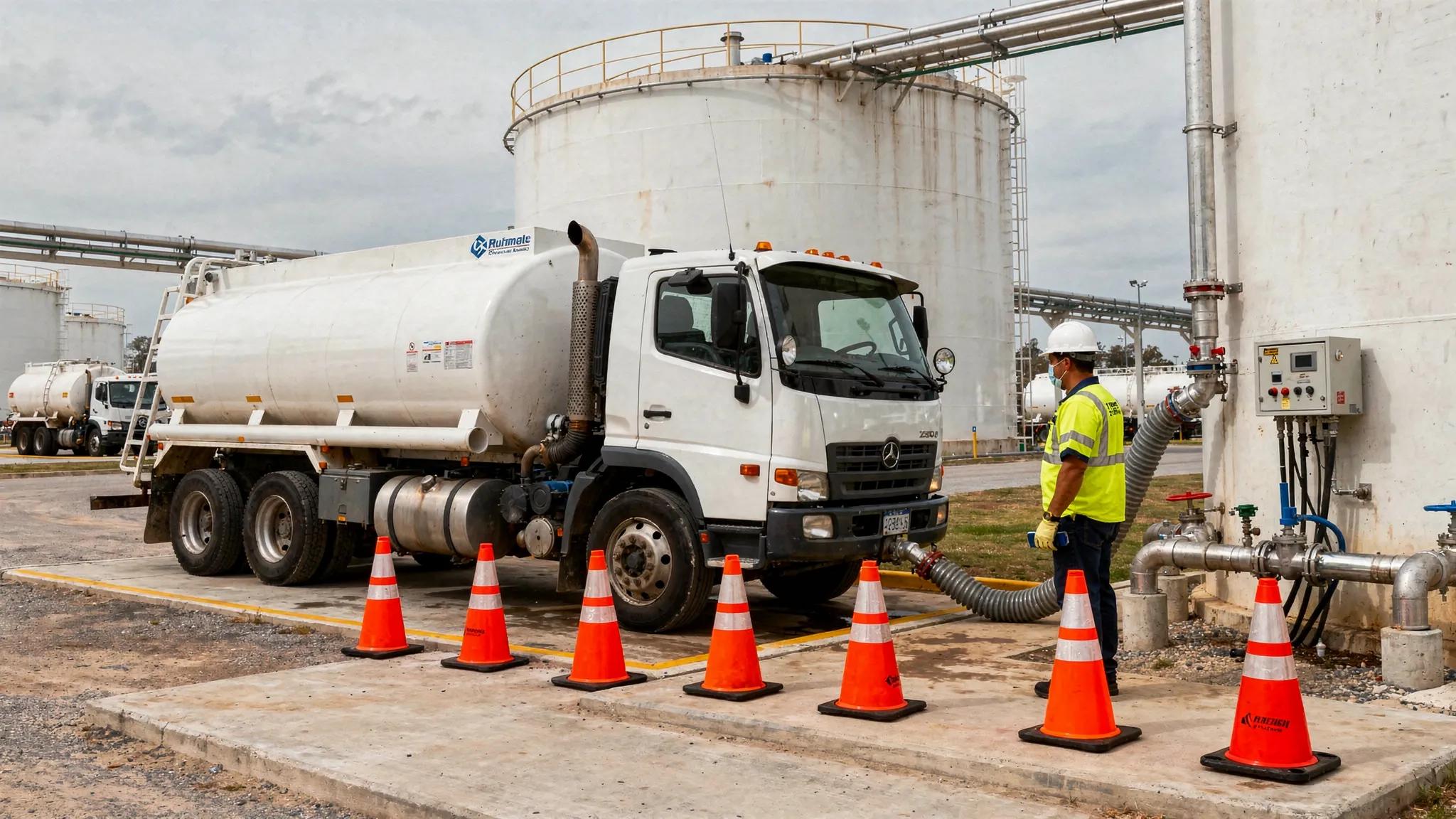
Kerosene Tax is a federal charge that applies to certain sales or removals of kerosene. The rules depend on how the fuel is used. Kerosene used as aviation fuel can follow different rates and rules than kerosene used for heating or other non aviation use. The IRS looks closely at fuel excise reporting because fuel moves fast through the supply chain and errors can add up over a year.
Kerosene excise tax is usually tied to gallons. Your liability can start when fuel leaves a terminal rack, when it is imported or when it is sold for a taxable use. Some uses can qualify for credits or refunds when fuel is used for an exempt purpose. That is why clear invoices and exemption documents matter as much as the tax math.
Who needs to file for kerosene activities
Many businesses assume only large refiners file. In practice a wide range of filers deal with IRS kerosene tax rules.
Common filer types
- Terminal operators and position holders involved in rack removals
- Importers that bring kerosene into the United States
- Producers or blenders that create taxable mixtures
- Distributors that sell kerosene for taxable use
If your business touches fuel but you are unsure, start by reviewing transactions for the quarter and checking whether a taxable event occurred. Filing even when tax is zero can still be required in some cases. When in doubt, review the official IRS instructions for the fuel lines that apply to your activity.
What you need before you start
Good preparation keeps kerosene fuel excise tax filing accurate and fast. Gather your data for the exact quarter you are reporting and keep it in one place.
Key details to collect
- Gallons by transaction type and use
- Terminal or supplier reports and bills of lading
- Customer exemption certificates if you sold for exempt use
- Your EIN and business address details
- Any prior period corrections you must carry into this quarter
It also helps to reconcile your fuel volumes to inventory movement reports so the gallons you report match what left your control. If you make deposits during the quarter, pull your EFTPS confirmations so your payment history matches the return.
How to file online with eFileExcise720
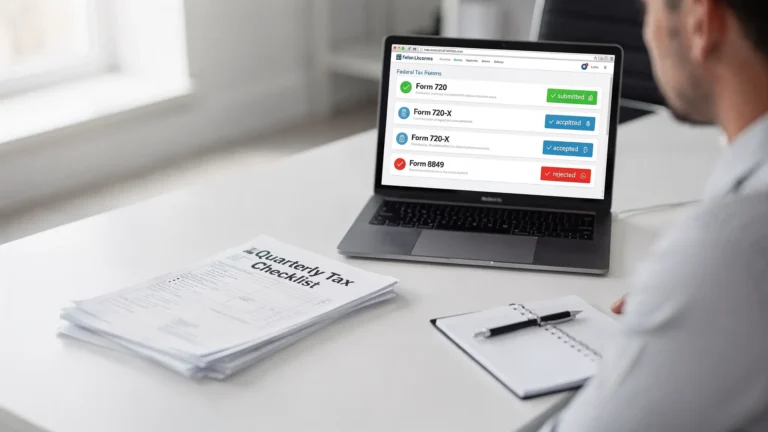
Kerosene tax filing does not need special software. With eFileExcise720 you can complete your return in a secure browser session. The platform supports all excise categories on the federal quarterly return and it provides clear prompts so you choose the correct fuel section and enter gallons and tax amounts with fewer surprises.
You can save and return to your work, review totals then submit electronically. You receive an electronic acknowledgement for your records. If you later discover an error you can prepare an amendment using 720 X support in the same account. If you need help, personalized customer support can guide you through what to enter and where to attach details. When you are ready to submit you will file Form 720 through the portal.

Avoid common filing mistakes and reduce risk
Fuel excise issues often come from small mismatches rather than complex rules. Focus on the basics and your return will be easier to defend if the IRS asks questions.
Practical checks that prevent problems
- Use the correct transaction type for each rack removal or sale
- Match reported gallons to source documents before you submit
- Keep signed support papers for every exemption you claim
- File each quarter that you are required to file even if the amount is zero
- Save proof of timely electronic submission and store it with your quarter file
After you file, store supporting documents in a consistent folder system. Keep copies of invoices, terminal statements and exemption certificates. Also keep internal worksheets that show how you calculated gallons and tax. Most businesses keep these records for at least four years which aligns with common IRS excise guidance.
Conclusion
Accurate kerosene reporting protects your business from penalties and keeps fuel operations running smoothly. With clear transaction records and a simple online workflow you can file on time and move on. Create your free account on eFileExcise720 to e file securely, navigate a simple dashboard and reach a support team when you need it today.
Frequently Asked Questions
What counts as a taxable kerosene transaction? A taxable event can occur when kerosene is removed at the rack, imported or sold for a taxable use. Your contracts and terminal documents help confirm the event.
Do I need to file if I had no kerosene sales this quarter? Some taxpayers must still file a return for a quarter even if no tax is due. Review your filing history and registration status or ask a tax professional.
What documents should I keep for my filing? Keep terminal statements, bills of lading, sales invoices, exemption certificates and payment confirmations that support the numbers on your return.
Can I amend a return after I submitted it? Yes. If you find an error you can file an amended return for the affected quarter so your liability is corrected.
How do credits or refunds work for exempt use? If kerosene was taxed then later used in a qualified exempt way you may be able to claim a credit or refund with proper proof.
Federal gasoline tax
If your business produces, imports, blends or sells gasoline you may have to report federal excise tax each quarter. The rules can feel confusing because liability can arise at the rack, at import or through certain sales. This service page explains the basics, what records to keep and how to file online through eFileExcise720. The portal is IRS authorized and works in your web browser so there is no download. You can build a return step by step, use secure data protection and contact customer support if you get stuck.
Understanding how gasoline is taxed at the federal level
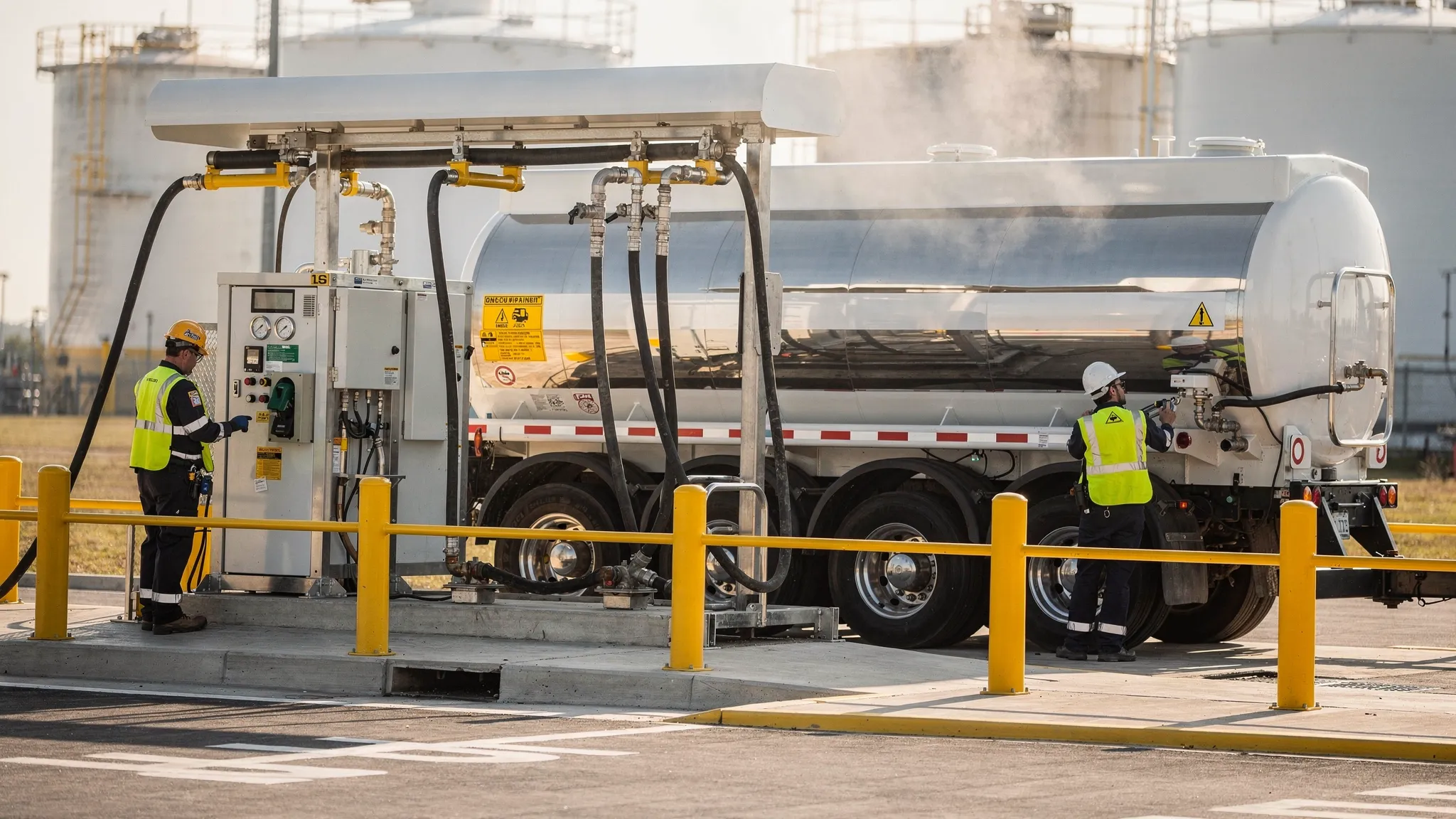
Federal gasoline tax is charged on taxable removals and certain events tied to gallons. In many operations the key moment is when fuel is removed from a terminal rack. For importers the taxable event may be when gasoline enters the United States. For some blenders the event may be when a taxable mixture is created.
IRS gasoline tax rules also use specific product definitions. Gasoline generally means motor fuel used in highway vehicles but special products and blends can fall under related fuel rules. Because rates can change by use and product, rely on your terminal reports and product codes rather than assumptions.
Who needs to file and what deadlines to follow
Gasoline excise tax filing is common in fuel supply chains, including terminals, refiners, distributors, blenders and certain retailers. A filing requirement can exist even when the net tax is zero for a quarter.
Quarterly excise tax gasoline reporting follows a fixed calendar. Most taxpayers file after each quarter ends. Payments may require deposits during the quarter depending on your liability and IRS deposit rules. If you miss a deadline, penalties and interest can apply. Filing early gives you time to fix data issues and confirm payments.
Records and numbers that make filing easier
Strong records are the best defense if questions come later. Set up a routine that collects the same items each month then reconciles them at quarter end.
Data you should gather
- Gallons removed at the rack by product and transaction type
- Import entry summaries and shipping papers for inbound loads
- Blend sheets for any mixtures and additives
- Customer invoices and any exemption support documents
- Deposit and payment confirmations tied to the quarter
Simple record checklist
Use this quick checklist to connect the number you report to a document you can show later. If totals differ fix the source data before you transmit. It also helps during internal reviews and audits.
- Terminal rack report: terminal operator statement, verify gallons and product code
- Import entry papers: customs broker packet, verify entry date and taxable status
- Blend sheet: production log, verify blend ratio and finished gallons
- Sales invoice: billing system copy, verify buyer use and exemption support
- Deposit proof: EFTPS receipt, verify deposit dates and amounts
If you track volumes in a spreadsheet keep the file read only after submission. Attach the same naming for every quarter so your team can find support quickly later.
When you tie these reports together your gasoline tax filing becomes a volume check plus a tax rate check. It also becomes easier to spot missing tickets or duplicate entries.
E file your gasoline return with eFileExcise720
Federal gasoline tax reporting does not need paper forms. eFileExcise720 lets you create a free account, enter your fuel amounts and submit electronically from a simple dashboard. You can save progress, review totals and get an electronic acknowledgement after transmission.
The platform supports all categories of the quarterly excise return, including fuel lines. It also supports amendments with 720 X if you need to correct a prior quarter. Since the system is online, your team can file from anywhere while keeping access controlled and data encrypted. If you are filing for the first time, customer support can help you understand what to enter based on your documents.

Credits, refunds, and staying compliant
Some fuel uses qualify for a gasoline tax credit or a refund, for example when tax paid gasoline is later used in a non taxable way. Claims depend on the facts and on having proof that links gallons, tax paid status and end use. Keep exemption certificates, usage logs and invoices organized.
If your business expects to claim often, build a consistent process. Reconcile gallons each month, retain source reports and keep a clear audit trail of adjustments. Many claims are denied because documents do not match the quarter or because the filer cannot show tax was paid. Where a separate claim form is required, your tax professional may use the 8849 form to request a refund.
Conclusion
Fuel businesses move fast and quarterly filing is easiest when you treat it like a routine close process. With accurate gallon reports, timely deposits and a secure e file method, you can stay compliant and reduce rework. Start your next return at eFileExcise720 and use the guided steps plus personalized support to complete your filing with confidence.
Frequently Asked Questions
Is the federal gasoline tax the same in every state? No. This page covers federal rules. States can impose separate fuel taxes with their own filings.
What if I sold gasoline for an exempt use? You may be able to treat the sale differently or claim a credit depending on the facts. Keep signed exemption documents and usage proof.
Do I need to file if I had a small amount of activity? Many filers must still report each quarter once they are registered for fuel taxes. Check your status and file on time.
Can I correct an error after I submit? Yes. File an amended return for the quarter that was wrong and keep a note that explains the change.
How do I avoid common errors? Reconcile gallons to terminal statements, confirm deposits and review product codes before submission.