When Taxes on Diesel Fuel Require Form 720 Filing
Diesel fuel is taxed at the federal level, but not every business that buys it must file a quarterly excise tax return. For many fleets, contractors and equipment operators, taxes on diesel fuel are already included in the price paid to a supplier. Form 720 becomes relevant when your business is the party responsible for reporting or paying the federal excise tax, or when untaxed fuel is sold or used in a taxable way.
That distinction matters because Form 720 is not a general fuel expense form. It is the IRS quarterly return for specific excise taxes, including several fuel taxes reported in Part I. A trucking company that buys clear diesel at a retail pump usually has a very different filing obligation from a fuel terminal operator, importer, blender or business that uses dyed diesel on the highway.
The basic Form 720 rule for diesel activity
IRS Form 720 is used to report and pay certain federal excise taxes. For diesel, the key issue is liability. In plain terms, the IRS wants the return from the person or business that is legally responsible for the tax, not every buyer down the supply chain.
The key question is whether taxes on diesel fuel were already imposed before you bought the fuel or whether your activity created the taxable event. Under federal fuel excise tax rules, taxable events can include removal from a terminal rack, entry into the United States, certain sales or certain uses of previously untaxed fuel. The exact rule depends on the fuel type, the transaction and your role.
The IRS discusses these rules in Publication 510, Excise Taxes, and Form 720 instructions explain where fuel liabilities are reported. If your business handles fuel beyond ordinary consumption, you should review the IRS categories carefully before deciding that no filing is required.
When taxes on diesel fuel trigger Form 720
In practice, taxes on diesel fuel require Form 720 filing when your business is connected to the taxable event rather than simply buying fuel after tax has been collected. This usually involves selling, removing, importing, blending or using fuel in a way that creates federal excise tax liability.
Common filing triggers include fuel removed from a terminal rack, imported diesel fuel, taxable sales of previously untaxed fuel and highway use of dyed diesel. Businesses involved in fuel distribution, wholesale supply, terminal operations, marine fueling, construction fuel supply or agricultural fuel sales often need a closer review because their transactions may include both taxable and nontaxable uses.
Here is a practical way to think about the filing question:
| Diesel fuel situation | Form 720 filing likely? | Why it matters |
|---|---|---|
| You buy clear diesel at a retail pump for company vehicles | Usually no, for the fuel purchase alone | The federal tax is generally included in the pump price |
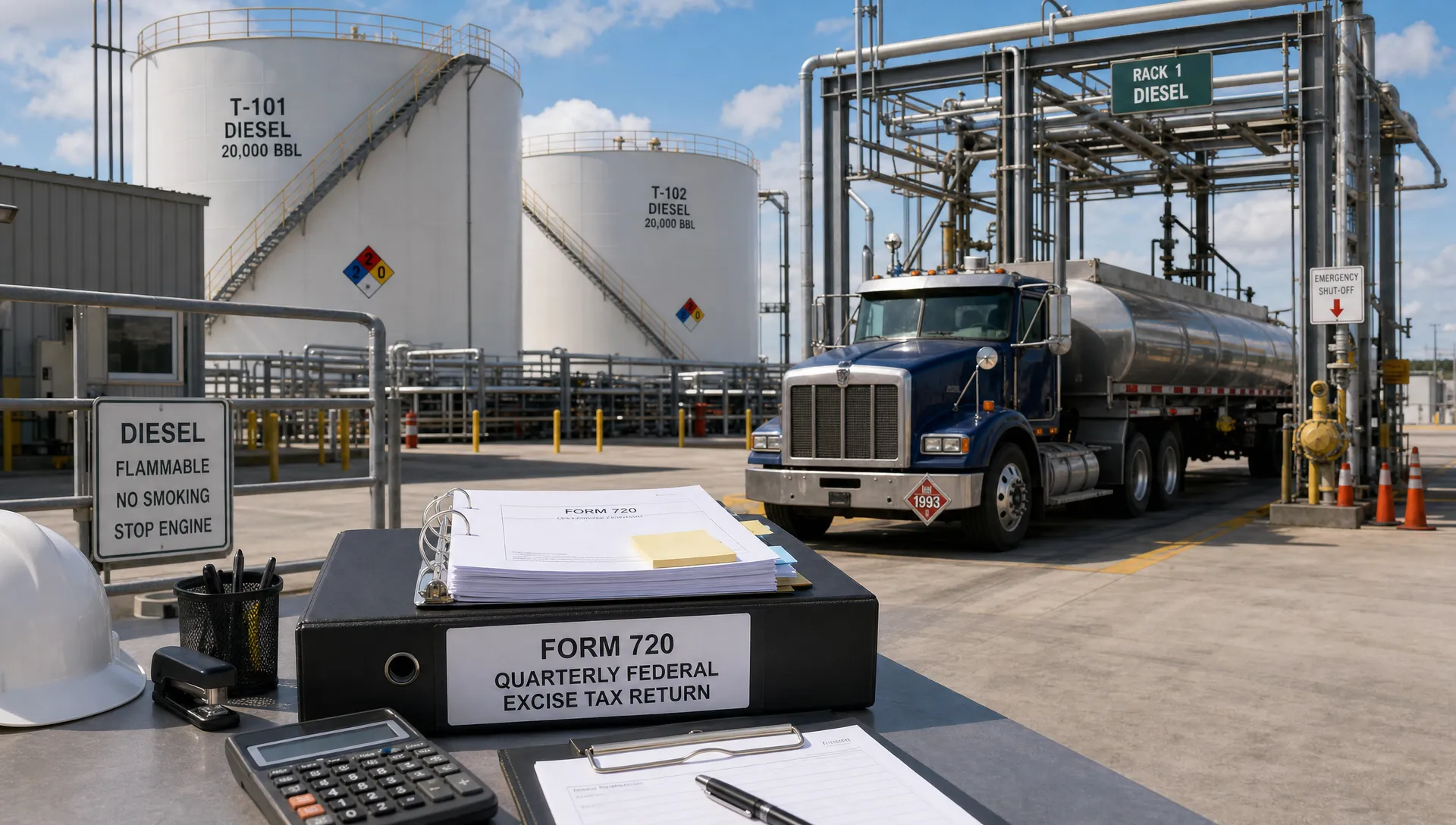
| You remove diesel from a terminal rack as the position holder | Often yes | Removal from the rack is a common taxable event |
| You import diesel fuel into the United States | Often yes | Entry may create federal excise tax liability |
| You sell or use dyed diesel for highway use | Often yes | Dyed diesel is generally intended for nontaxable, off-road use |
| You blend fuel or create a taxable fuel mixture | Possibly yes | Blending can create a separate taxable event |
| You are claiming a refund for certain nontaxable uses | Not necessarily on Form 720 | Many fuel refund claims use Form 8849 instead |
If you need a broader overview of fuel categories and who pays them, eFileExcise720 also explains how fuel excise tax works and how it connects to Form 720.
Clear diesel, dyed diesel and LUST tax differences
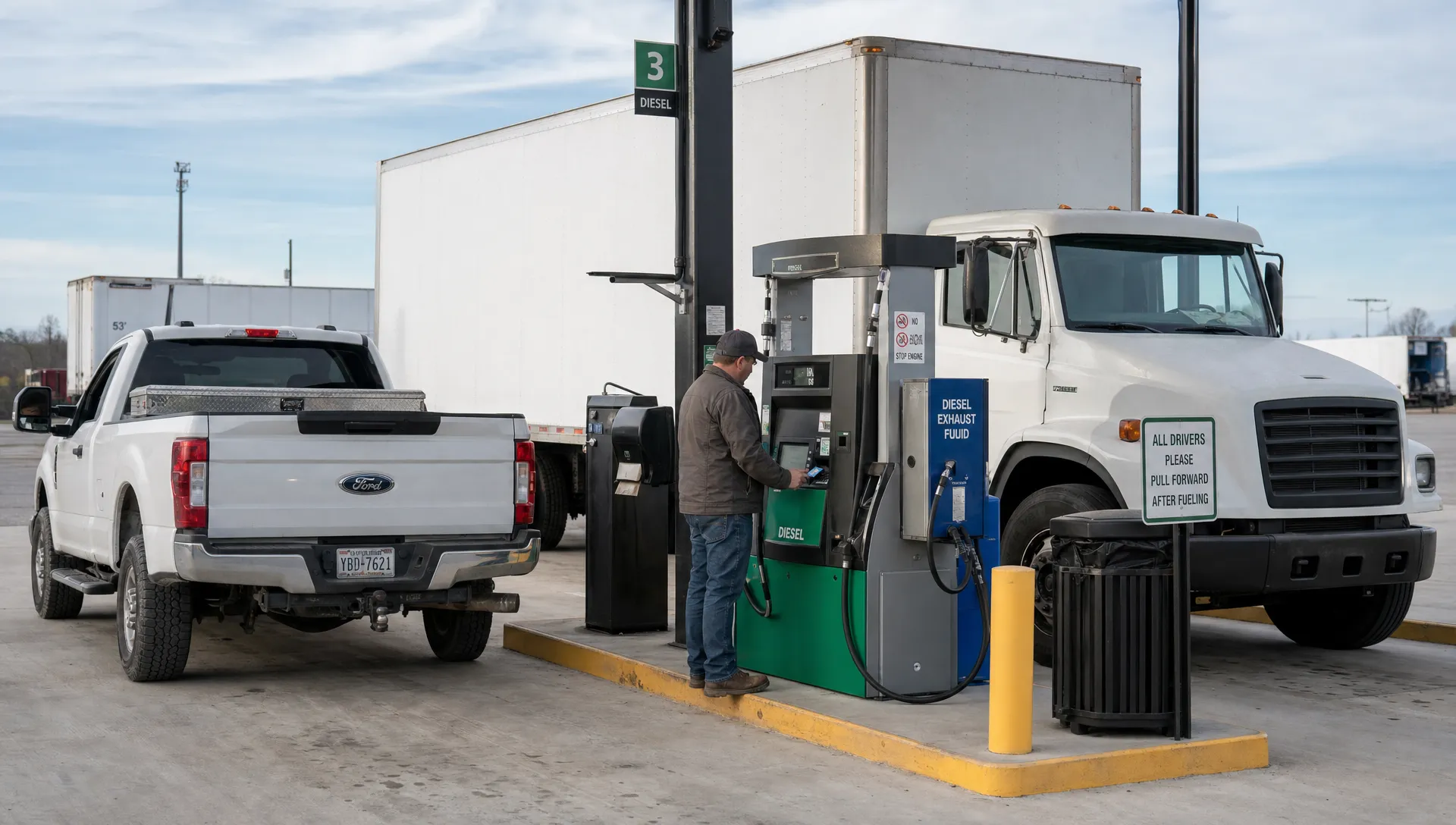
Clear diesel is generally taxed for highway use. If your business buys clear diesel through normal retail or supplier channels, the federal excise tax has often already been collected earlier in the distribution chain. That is why many end users do not file Form 720 just because they operate diesel vehicles.
Dyed diesel is different. It is marked with red dye to show that it is intended for nontaxable uses such as certain off-road, farming, construction, heating or governmental uses. When dyed diesel is used in a taxable manner, such as on public highways, the tax issue changes quickly.
For many businesses, the most overlooked part of taxes on diesel fuel is the Leaking Underground Storage Tank tax, often called the LUST tax. The federal LUST tax is generally 0.1 cent per gallon and can apply even when the regular highway fuel tax does not apply. The rules are technical, especially when dyed diesel is involved.
For a deeper diesel-specific discussion, including recordkeeping and LUST tax treatment, review this guide to dyed diesel fuel tax and federal LUST tax filing.
Businesses that usually do not file Form 720 for diesel purchases
Many businesses use diesel every day without becoming Form 720 filers for that fuel. A motor carrier that buys taxed clear diesel from a truck stop, a landscaper that buys diesel for equipment from a taxed source or a local contractor that purchases fuel through a retail card may not have federal excise tax reporting responsibility for those purchases alone.
That does not mean records are optional. Invoices, purchase receipts, fuel card statements and supplier documentation help prove whether the fuel was taxed, dyed, exempt or used for a qualified purpose. These records also matter if your business later files a refund claim or responds to an IRS notice.
A simple test can help: if taxes on diesel fuel were already charged upstream and your business did not sell, import, remove, blend or misuse untaxed fuel, Form 720 may not be required for that activity. If your business handles both taxed and untaxed diesel, do not rely on that shortcut. Mixed fuel operations need transaction-level review.
Filing frequency and diesel excise tax payment timing
Form 720 is a quarterly return. The standard due date is the last day of the month after the quarter ends: April 30, July 31, October 31 and January 31. If a due date falls on a weekend or legal holiday, the deadline generally moves to the next business day.
Depending on the type and amount of excise tax owed, deposits may be due before the quarterly return is filed. Fuel excise taxes often follow semimonthly deposit rules through the Electronic Federal Tax Payment System. Form 720 then reconciles the tax for the quarter, including deposits already made.
If taxes on diesel fuel make your business a Form 720 filer, waiting until the quarterly due date to calculate liability can create cash flow problems or late deposit penalties. It is better to track taxable gallons during the quarter and review deposit requirements before each semimonthly period closes.
For a current schedule and filing preparation steps, use the Form 720 due date guide before the quarter ends.
Records to gather before filing Form 720
Before you file, organize your diesel records by transaction type rather than by general expense category. Form 720 reporting is based on taxable activities, gallons and tax categories, so a standard profit and loss report is usually not enough.
The strongest filing file usually includes:
- EIN, legal business name and current address
- Gallons of diesel fuel by fuel type and tax category
- Terminal rack removal records, if applicable
- Import records, bills of lading and supplier invoices
- Dyed diesel sale or use records
- Exemption certificates or buyer statements, where applicable
- Deposit records and EFTPS confirmations
- Prior Form 720 filings, amendments or IRS notices
When taxes on diesel fuel are tied to dyed fuel, exemptions or refund claims, documentation becomes especially important. The IRS may ask for proof of how the fuel was sold, who bought it, where it was delivered and how it was used. Good records also help you decide whether the right filing is Form 720, Form 720-X for amendments or Form 8849 for certain refund claims.
Common mistakes that lead to diesel Form 720 problems
One common mistake is assuming that every diesel purchase creates a Form 720 filing obligation. This can lead businesses to file when they are not actually liable, which may create confusion and correction work later.
The opposite mistake is more expensive: assuming that dyed diesel is never taxable. Dyed diesel can become taxable when it is sold or used for a taxable purpose. Highway use is the classic example, but businesses should also review unusual transfers, mixed-use equipment and fuel storage practices.
Another issue appears when businesses track dollars instead of gallons. Federal fuel excise tax calculations often depend on gallon volume and tax category, not the total invoice amount. If taxes on diesel fuel are reported using incomplete gallon data, the return may be inaccurate even when the accounting totals look clean.
Finally, some businesses forget amendments and claims. If a prior Form 720 was filed incorrectly, Form 720-X may be needed. If the business paid tax on fuel later used for a qualified nontaxable purpose, Form 8849 may be the more appropriate path for a refund claim.
How online filing helps diesel taxpayers stay organized
E-filing can reduce friction when your business has recurring excise tax obligations. Instead of downloading software or working from paper forms each quarter, you can prepare and submit Form 720 through an IRS-authorized platform.
When taxes on diesel fuel require reporting, eFileExcise720 helps businesses file Form 720 online through a secure, IRS-authorized e-filing portal. The platform supports Form 720 categories, offers free account creation, requires no software download and provides customer support for businesses that need help navigating the filing process. It also supports Form 720-X amendments and Form 8849 claims support, which can be useful when diesel activity involves corrections or refund-related follow-up.
The best filing process is still built on accurate records. E-filing makes submission easier, but the taxpayer remains responsible for classifying fuel activity correctly and keeping support for the return.
Frequently Asked Questions
Do I file Form 720 if I only buy diesel for my trucks? Usually not for that purchase alone if you buy clear diesel from a retail or supplier source where federal tax has already been included. You may need to file if your business imports, removes, sells, blends or uses untaxed diesel in a taxable way.
What diesel tax rate applies on Form 720? The commonly referenced federal tax rate for diesel fuel is 24.4 cents per gallon, which includes the 0.1 cent LUST tax. Always verify the current Form 720 instructions because rates and line references can change.
Does dyed diesel always avoid federal excise tax? No. Dyed diesel is generally intended for nontaxable uses, but it can become taxable if sold or used improperly, especially for highway use. Strong records are critical.
Can I claim a refund for diesel used off-road? Some nontaxable fuel uses may qualify for a claim, but many fuel refund claims are filed on Form 8849 rather than Form 720. Review IRS rules or get tax guidance before filing.
How often is Form 720 filed for diesel fuel taxes? Form 720 is filed quarterly, but some fuel excise tax deposits may be required during the quarter. Do not wait until the return deadline to check deposit obligations.
File diesel-related Form 720 returns with less guesswork
If your business sells, imports, removes, blends or uses diesel in a way that may create federal excise tax liability, do not treat Form 720 as an afterthought. Identify the taxable event, confirm the gallons, review deposit requirements and keep the records that support your filing.
With eFileExcise720, you can create a free account, prepare Form 720 online and file through an IRS-authorized e-filing portal without downloading software. If your diesel activity also involves corrections or claims, the platform supports Form 720-X amendments and Form 8849 claims support so you can handle related excise tax tasks in one place.