Service Pages and Blog Content
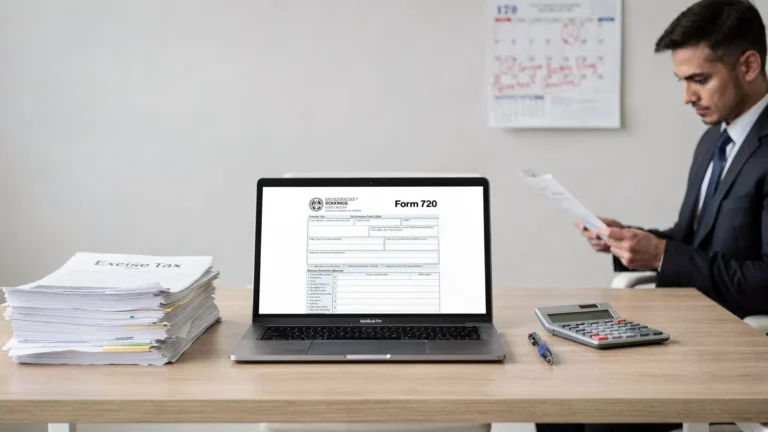
File Communications and Air Transportation Taxes with speed accuracy and confidence on eFileExcise720. As an IRS authorized provider we help carriers travel companies resellers and communication platforms e file Form 720 on time with secure data protection clear guidance and live support.
Create a free account no software download needed then move from draft to accepted filing in a few clicks. Whether you handle a few invoices or high volume billing our workflow keeps your team organized from quarter close through payment and record storage.
What are Communications and Air Transportation Taxes?
These federal excise taxes apply to specific communication services and to the transportation of persons or property by air. In many cases the tax is a charge you collect from the customer then report and remit each quarter. On Form 720 these items appear in Part I under Communications and Air Transportation which lists separate lines for the different services. The scope can include local or bundled telephone type services VoIP or similar offerings plus domestic and international air travel or air freight when the statute applies.
The party responsible can be the service provider the ticketing carrier a charter operator or another intermediary depending on the transaction. Good records are important because liability depends on facts like place of supply routing use and the nature of the service. If you are unsure how the rules apply to your product our team can point you to the latest IRS instructions and trusted guidance so you file with confidence. See the latest IRS instructions for Form 720 for definitions examples and line references and key citations.
Who must file and when
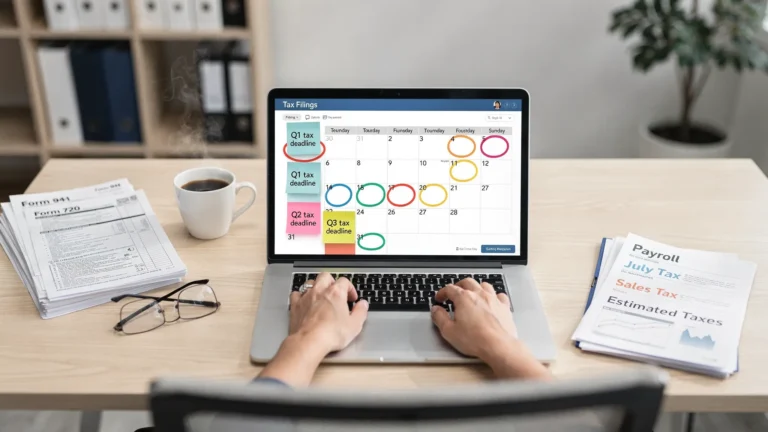
If you provide a taxable communication service or you sell it as a reseller you may owe communications excise tax. If you provide passenger flights air tours charters or air freight you may owe air transportation excise tax. Most businesses that collect these federal charges must file Form 720 for every calendar quarter even if there is no tax due that period. Returns are due the last day of the month after the quarter ends for example April 30 July 31 October 31 and January 31.
Payments are made through EFTPS or by electronic funds withdrawal when you e file. You should keep invoices contracts usage logs and reconciliation reports that support the amounts on each line. If you discover an error you can correct it with Form 720 X which serves as the amendment. If a credit or refund is available you may use Form 8849 based on the instructions. Timely filing reduces penalties and interest and it makes audits easier because your workpapers match your return.
How eFileExcise720 simplifies communications tax filing and air transportation tax filing
Our IRS authorized platform streamlines setup return preparation payment and archive. You can import values from your accounting system or enter them directly then the system totals the period amounts and completes Schedule A when required. Real time validation helps you avoid missing EINs wrong period dates or line mismatches. Role based access lets finance tax and operations collaborate without sharing passwords and two factor protection keeps your data safe.
Support is personal and practical. You can chat call or email a specialist who understands communication service tax and airline excise tax. We provide reminders for due dates and we help you track acknowledgments so you know when the IRS has accepted your return. If you need to amend our 720 X workflow mirrors the original filing which saves time. We also support Form 8849 claims in the same account so refunds do not require a separate tool.
Key benefits you get today:
- Faster quarter close with built in validations that catch issues before submission
- Fewer rejections since our schemas follow current IRS rules for each line
- Clear audit trail with exports for management tax advisors and regulators
What you report on Form 720 Part I
Form 720 Part I covers several categories that many telecom and aviation businesses touch. Common examples include communications excise tax for local or bundled telephone and similar service tax on transportation of persons by air including certain fees and surcharges and tax on transportation of property by air when it applies. In your return you report total collections for the quarter then compute the net liability after any adjustments. You also complete Schedule A for semimonthly periods if required.
For smooth close many filers prepare a simple checklist that ties billings collections deposits and reported tax for each line. Keep copies of invoices credit memos and any exemption certificates in case the IRS requests support. If state or local charges appear on the same bill make sure your system tags federal lines clearly so the federal amounts flow to Form 720 without manual rework.
Who we serve and related filings
We support a wide range of businesses that face communications tax filing or air transportation tax filing needs. This includes wireless carriers VoIP providers cable and satellite voice providers prepaid and postpaid resellers call centers hosted PBX vendors and marketplace platforms that bundle voice with apps. On the aviation side we assist scheduled airlines charter operators air tour companies air taxi operators and air cargo carriers that deal with Airline taxes. We also help online travel agencies ticketing platforms fixed base operators and managed service providers reconcile collections and filings.
Many taxpayers also need to track other federal excise items in the same return such as fuel related taxes or the Patient Centered Outcomes Research fee. With eFileExcise720 you can manage pcori online and other supported items inside one workflow. Our system supports all Form 720 categories and it keeps your history in one place so quarterly roll forward is fast and audit ready.
Ready to file
Switch to eFileExcise720 for a faster accurate way to file Communications and Air Transportation Taxes. Create your free account start your return and submit Form 720 in a few clicks. If you need help our support team is ready to guide you from setup through acceptance.
A simple guide to federal excise tax
Federal excise taxes are special taxes on select goods services and activities. If you sell fuel operate flights bill voice services produce tobacco or import certain chemicals you may be part of the excise system. This guide answers what is federal excise tax how it works and when to file so you can stay compliant without guesswork.
What is federal excise tax
Federal excise is a tax that targets a narrow base rather than income. Lawmakers use it to fund programs shape behavior or cover the cost of using shared systems like the airspace or highways. Some excise taxes are built into the price that manufacturers or service providers charge and others are paid directly by users. Common examples include the air transportation excise tax communications excise tax fuel excise firearms tobacco and the Patient Centered Outcomes Research fee known as the pcori fee. According to the Congressional Budget Office these taxes account for about 3 percent of federal receipts in a typical year.
Where excise shows up
- At the pump a fuel supplier passes a cents per gallon charge that supports highway programs
- Inside an airline ticket you see federal charges that carriers collect with the fare
- On a phone bill a line for federal communications excise tax may appear
How excise taxes work
Excise taxes can be per unit or ad valorem. Per unit means a set amount like cents per gallon. Ad valorem means a percent of the sale price. Either way the statute tells you who collects the money and when the liability arises. The collector can be a manufacturer a carrier a reseller or a service platform depending on the transaction.
Returns for many federal excise items are filed on Form 720. The form groups taxes by category and it captures quarterly totals by line. You report collections for the period then compute net liability after adjustments. You also complete Schedule A for semimonthly periods if required. Good records are essential because liability often depends on facts like routing use and exemptions.
Here is a simple view of common filers and where they report:
| Business type | Typical tax | Where to report | Filing cadence |
|---|---|---|---|
| Passenger airlines and charter operators | Air transportation excise | Form 720 Part I | Quarterly |
| VoIP or voice service providers | Communications excise | Form 720 Part I | Quarterly |
| Fuel distributors and importers | Fuel related excise | Form 720 Part I | Quarterly |
| Self insured health plans | pcori fee | Form 720 second quarter | Annually |
When to file and pay
Form 720 is due the last day of the month after the quarter ends. That means April 30 July 31 October 31 and January 31. You can pay through EFTPS or by electronic funds withdrawal when you e file. Keep invoices contracts usage logs and reconciliation reports that support each line. If you discover an error you can amend with Form 720 X or request a credit or refund on Form 8849 when allowed.
For the pcori fee the due date is generally July 31 for the plan year that ended in the prior calendar year. The amount adjusts for inflation each year and the IRS publishes the rate in a notice. See the latest IRS guidance for PCORI so you apply the correct rate to each covered life.
2025 trends and strategic lessons
- Superfund chemical excise taxes were reinstated under recent law and they appear on Form 720 which means more filers have quarterly exposure
- Electronic filing reduces math errors and speeds acknowledgments which saves time at quarter close
- More finance teams map excise lines directly in the ERP so values flow into the return without manual rework
A practical lesson from carriers and voice platforms is simple. Treat excise as part of your order to cash process not just a quarter end task. Tag taxable products in your catalog make taxes visible on invoices and reconcile collections to deposits each month. This reduces rush work and it avoids surprises during audits.
A quick example
An airline sells a domestic ticket. The system calculates the applicable federal charges and collects them with the fare. The airline remits those amounts and reports totals on Form 720 for the quarter. If a refund is issued the adjustment carries into the return so the net liability matches cash activity. The same idea applies to a VoIP provider that charges a communications excise line on monthly bills.
Why file with E File Excise 720
E File Excise 720 is the easy way to prepare and submit Form 720 online. The platform is IRS authorized secure and built for teams that value speed and accuracy. You get a free account simple dashboard navigation and no software download. You can prepare 720 X amendments and Form 8849 claims in the same place which keeps your history in one account. If you work on pcori fee filings our workflow guides you through covered lives and payment so you meet the deadline with confidence.
Frequently asked questions
What is federal excise tax on air travel? It is a set of federal charges on passenger and cargo transportation by air that airlines collect and report on Form 720.
Who files the pcori fee? Sponsors of applicable self insured health plans file and pay the pcori fee using the second quarter Form 720 by the deadline.
How do I know if my service is taxable? Review your product map and read the IRS instructions for Form 720. When in doubt speak with a tax advisor or contact eFileExcise720 support.
Get started with eFileExcise720
Move from research to results with eFileExcise720. Create your free account start your return and submit with confidence today.