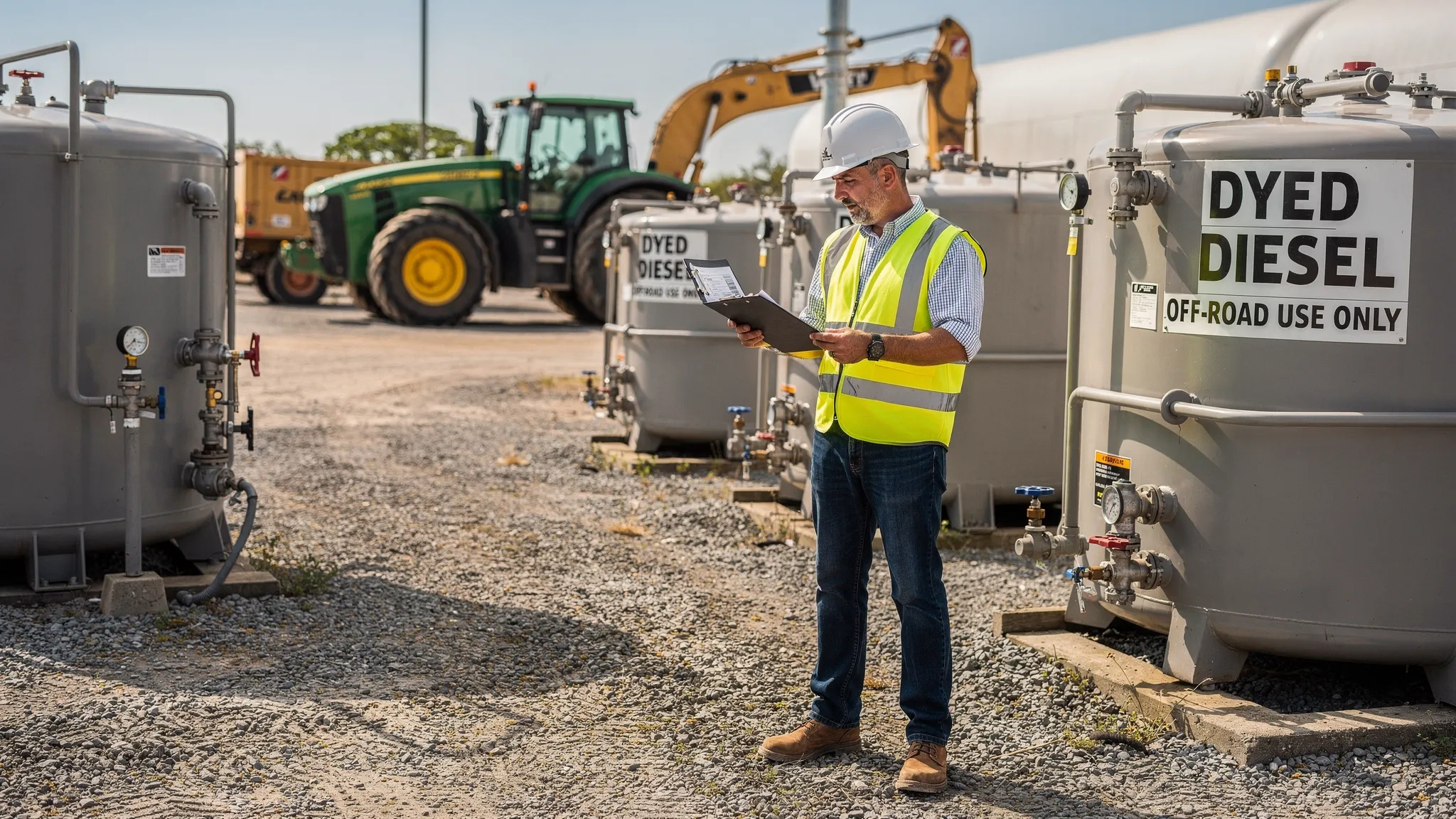
dyed diesel fuel tax federal lust tax ,Other Fuels
Dyed Diesel Fuel Tax and Federal LUST Tax Help
Dyed diesel is common in farms construction fleets and heating use. It is sold for off road work and it is marked with dye so it is easy to spot during an inspection. If dyed diesel ends up in a highway vehicle the tax rules can change fast. This page explains dyed diesel fuel tax basics plus the federal LUST tax that applies to many taxable fuels. You will learn what triggers tax how to keep good records and how eFileExcise720 can help you file correctly without downloading software.

What counts as excise tax on dyed diesel
The core idea is simple. Dyed diesel is generally meant for non highway use so it is often sold without the normal road tax included. Still businesses can face excise tax dyed diesel fuel issues when the product is removed sold or used in a way that creates liability. The federal excise tax dyed diesel fuel rules focus on how the fuel is used and who is responsible for the transaction. Many industries such as agriculture mining marine and construction track dyed fuel because it reduces cost when used correctly.
Where the risk starts
The biggest risk is putting dyed fuel into a licensed highway vehicle. That can trigger federal excise tax on dyed diesel fuel plus penalties in some cases. Auditors often review invoices tank logs and vehicle use records.
| Situation | Typical treatment | Key proof to keep |
|---|---|---|
| Fuel used in off road equipment | Usually non taxable at sale | Purchase invoices and equipment logs |
| Fuel placed in highway vehicle | Often taxable and may be penalized | Vehicle ID and mileage records |
| Bulk storage at job site | Depends on how fuel is withdrawn | Meter readings and draw tickets |
When dyed diesel becomes taxable
Dyed diesel excise tax can apply when fuel that should stay off road is diverted to the highway stream. It can also apply when a seller removes fuel from a terminal or rack under rules that make the removal taxable. Because facts matter you should document the chain from purchase to use. If you resell dyed fuel your customer type also matters. Some buyers can use it legally off road while others cannot.
Dyed diesel excise tax filing is often needed when tax is due for the quarter due to taxable use or removal. If you find an error later you may need an amended return.
Understanding the federal LUST tax
The lust tax funds the federal trust for cleaning up leaking underground storage tanks. Many filers see it listed as federal excise tax lust or federal lust fuel tax in guidance. The IRS treats it as an add on to certain fuel taxes and it is reported with other fuel liabilities. The current lust tax rate is 0.1 cent per gallon for taxable fuels that are subject to the LUST charge. For details review IRS Publication 510 and the official instructions.
Businesses often ask if dyed diesel affects the irs lust tax. The answer depends on whether the transaction is a taxable fuel removal or use. If the fuel is not taxed at sale due to dye rules the LUST charge may still apply when the event becomes taxable.
How to report and file with eFileExcise720
Most fuel liabilities are reported quarterly on Form 720. You select the right fuel category enter gallons and compute tax based on the IRS rates for that quarter. If you are claiming credits or refunds for certain uses you may also prepare a related claim later but start with clean quarterly reporting.
eFileExcise720 is an IRS authorized e filing portal built for fuel filers. You can create a free account enter your data in a simple dashboard and submit securely. The platform supports all quarterly excise categories plus amendments with 720-X and claim support when you need it. If you are unsure which line fits your situation customer support can help you follow the instructions and avoid common input errors.
Records that help you stay compliant
Good records lower risk and save time. Keep purchase invoices supplier letters that show dye status and clear logs that match fuel to equipment. Separate highway vehicles from off road equipment in your fleet records. Reconcile bulk tank meters to withdrawals each month. If you are reviewed you want to show that dyed fuel stayed off road unless you reported it as taxable.
Post clear labels on tanks that hold dyed product. Train drivers to check caps and pumps before fueling. A checklist at the yard can prevent a diesel tax assessment after an inspection.
Conclusion
Dyed fuel can save money when it is used the right way. The key is understanding dyed diesel fuel tax exposure and knowing when federal LUST tax applies to your fuel transactions. When you are ready to file online eFileExcise720 can help you submit on time with secure handling and support.
Frequently Asked Questions
Is dyed diesel legal to use in a pickup truck for work sites? In most cases no if the truck is registered for highway use. Use clear off road equipment only unless you pay the required tax.
What documents should I keep for dyed fuel purchases? Keep invoices showing product type delivery tickets tank readings and equipment use logs that link gallons to non highway work.
Does the LUST charge apply to every gallon I buy? Not always. It generally applies when a taxable fuel event occurs. Review your removal sale and use facts each quarter.
Can I fix a past quarter mistake? Yes. You can correct a prior period by filing an amendment and paying any additional tax due based on the corrected gallons.
How fast do I get proof that my return was accepted? With e filing you typically receive an electronic acknowledgement after transmission so you have a clear record for your files.
Other Fuels Excise Tax Filing Support
Many businesses buy fuels that are not standard highway gasoline or undyed diesel. These products can still trigger federal excise rules. The IRS assigns different codes rates and exceptions for each fuel type so it is easy to get lost. This page explains the other fuels excise tax at a practical level with clear steps for tracking and reporting through eFileExcise720.
What the IRS means by other fuel types
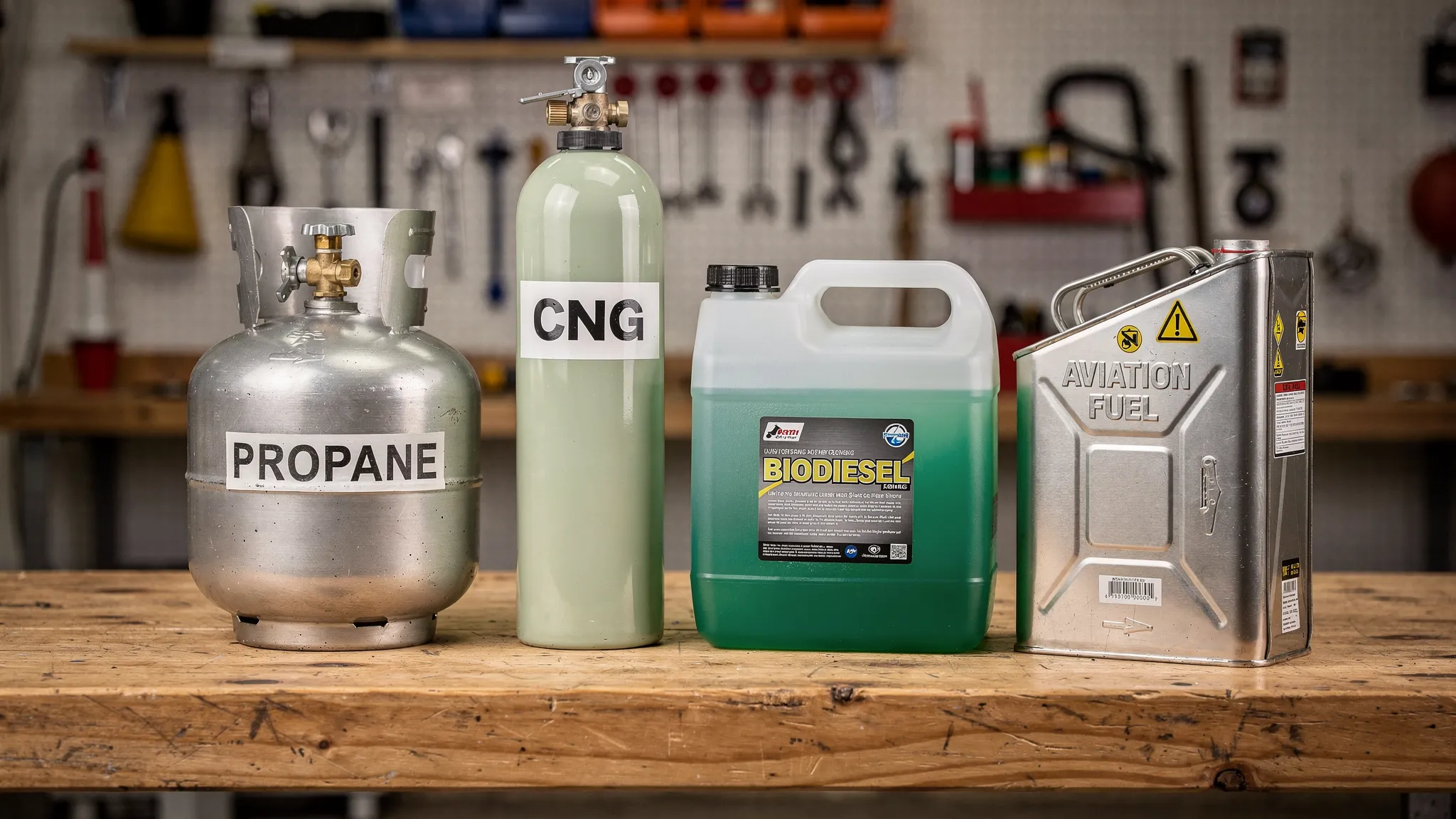
In fuel tax language this category often covers taxable products outside the most common pump fuels. Examples may include propane butane compressed natural gas liquefied natural gas and certain aviation or marine fuels. Rates and tax events vary by product. Some taxes apply at removal from a terminal while others apply when fuel is sold for use or used in a taxable way. On the quarterly return these lines may be grouped as Other Fuels. For the most current guidance review IRS Publication 510 which lists fuel types rules and references to the related code numbers.
The phrase Federal other fuels tax is also used when a fuel tax is imposed at the federal level even if your state has separate rules.
Who may owe IRS other fuels tax
IRS other fuels tax can apply to several roles. Your place in the supply chain matters because liability can fall on the producer blender importer wholesaler retailer or end user depending on the event. If you sell fuel you may owe tax based on sales for taxable use. If you use fuel in your own operations you may owe tax when you put fuel into a taxable use such as operating a highway vehicle or running equipment that is not exempt.
Other fuels tax reporting is common in industries with mixed fuel use such as transportation oilfield service agriculture airports and local governments. If you manage a fleet plus stationary equipment separate gallons by use case so your reporting matches real operations.
Common triggers to watch
A tax trigger may happen when you change the use of a product. A fuel bought for off road use can become taxable if it is later used on the highway. A fuel sold for a nontaxable purpose can become taxable if the buyer does not meet the rules for that purpose.
How to track gallons and compute tax
Accurate records make filing easier. Start with purchase invoices that list product type and gallons. Next track where the fuel goes using meter readings tank logs and job tickets. If you issue fuel cards export monthly detail so you can tie each purchase to a vehicle or location. Finally map each fuel and use to the correct IRS line and rate for the quarter.
A simple spreadsheet can work if it is consistent. Keep one row per delivery or card batch then add columns for fuel type location and taxable use. Review the totals monthly so quarter end work is light.
| Fuel example | Common business use | Why tracking matters |
|---|---|---|
| Propane or butane | Heating forklifts fleet support | Rate depends on use and tax status |
| CNG or LNG | Heavy trucks buses | Units may be in gasoline gallon equivalents |
| Aviation or marine fuels | Airports marinas charter fleets | Exemptions may apply for certain flights or uses |
If you later discover overpayment you may be able to claim a credit or refund using the 8849 form when you qualify and keep support for the claim.
Other fuels excise tax filing with eFileExcise720
Other fuels excise tax filing does not need to be stressful. eFileExcise720 is an IRS authorized online portal that helps you prepare and e file quarterly excise returns. You can create an account enter your fuel lines and gallons then review totals before you transmit. The system supports all categories on the quarterly excise return and it helps reduce common entry mistakes with guided fields.
If you have questions the support team can help you find where your fuel type fits based on the official instructions. You stay in control of the numbers while getting help with process and navigation.

Avoiding common errors in your fuel lines
Small mistakes can lead to notices. Double check that product names match what your supplier sells. Confirm the unit measure since some fuels are reported in gallon equivalents. Watch for duplicate entries when you import data from spreadsheets. Keep a quarterly folder that stores invoices logs and any exemption letters.
When in doubt do a short reconciliation. Total gallons purchased for the quarter should match gallons used plus gallons remaining in tanks with a reasonable loss allowance for handling.
Conclusion
Other Fuels taxes are manageable when you know your product your use and your records. With careful tracking and clear quarterly reporting you can stay compliant and reduce surprises. eFileExcise720 gives you a secure IRS authorized way to file online with support when you need it for every filing season.
Frequently Asked Questions
What are other fuel types in excise terms? They are fuel products outside common pump fuels that have their own federal excise lines and rules such as propane CNG and certain aviation fuels.
Do I have to file if I only use small amounts? You may still need to report if a taxable event occurred. Review your quarterly activity and consult the official guidance for your fuel type.
What if my fuel is used for both taxable and exempt work? Track gallons by use. Good logs help you report the taxable share and support any exemption position you take.
Can I file if I am not sure of the correct code? Yes. Gather invoices and usage facts then contact support for help locating the right line in the instructions.
How long should I keep fuel records? Keep them for several years so you can answer questions during an IRS review. Store invoices logs and reports in one place.