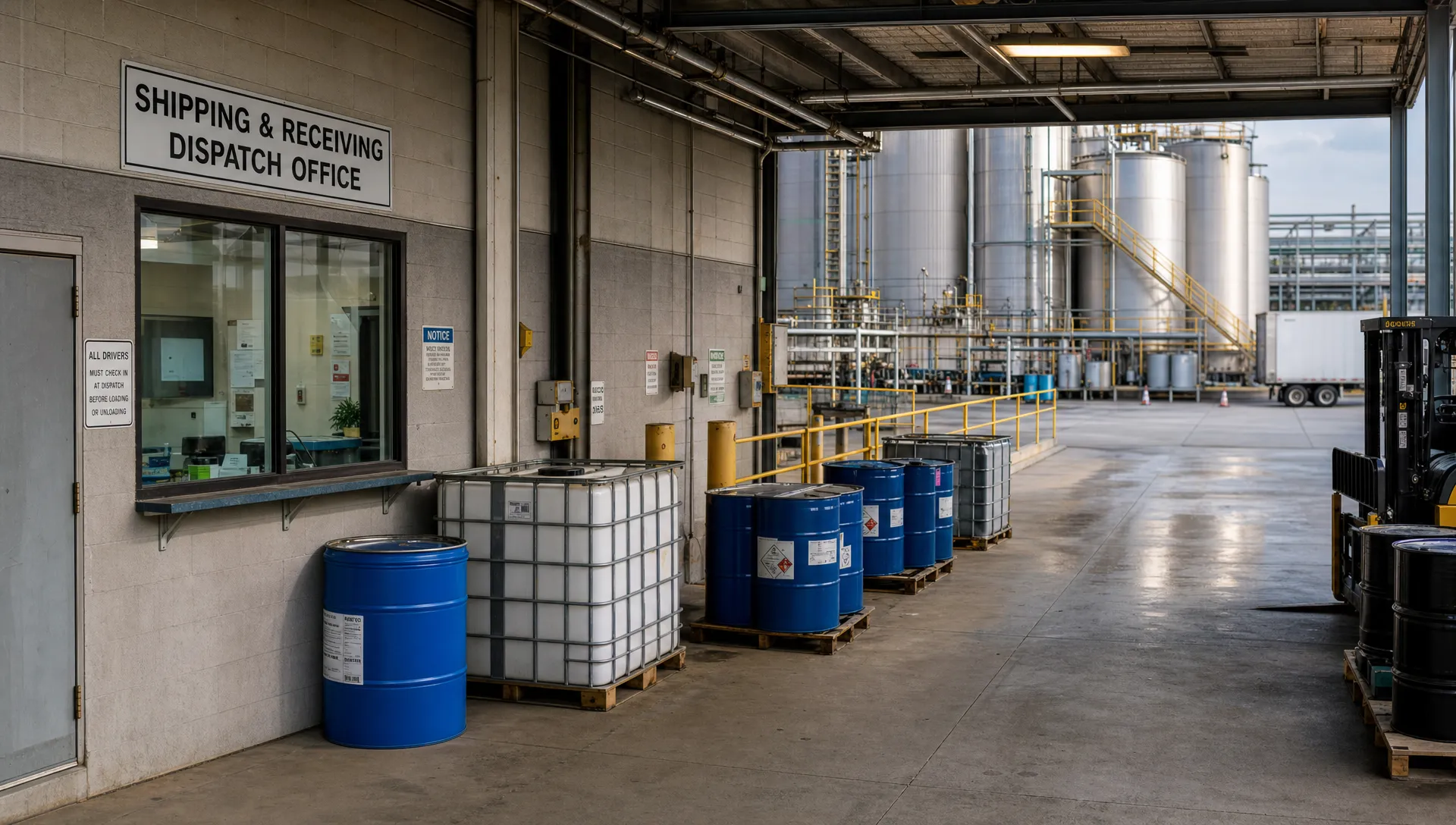
Superfund Chemical Tax: A Complete Guide to Filing Form 720
Manufacturers, producers and importers that handle listed chemicals need a clear superfund chemical tax form 720 workflow because this liability is reported with the federal quarterly excise tax return, not through a separate annual environmental return. If you are preparing to file IRS Form 720 online, this guide explains who owes the tax, how taxable chemicals and imported substances are identified, how Form 6627 supports the return and when deposits and quarterly filings are due.
The Superfund Chemical Excise Taxes were reinstated for taxable sales or uses after June 30, 2022 and are currently scheduled to apply through 2031 unless Congress changes the law. The rules can feel technical because the same return may also include other excise tax categories, such as fuel tax, the PCORI Fee or environmental taxes. The key is to identify the taxable event first, then build the Form 720 return from reliable product, import and sales records.
What Is the Superfund Chemical Tax?
The Superfund Chemical Tax is a federal environmental excise tax connected to the Hazardous Substance Superfund. It generally applies to certain taxable chemicals manufactured, produced or imported into the United States, plus certain imported taxable substances made from taxable chemicals.
The superfund excise tax IRS framework mainly sits under Internal Revenue Code sections 4661 and 4671. Section 4661 applies to taxable chemicals. Section 4671 applies to taxable imported substances. According to the IRS Superfund Chemical Excise Taxes resource, taxpayers must use the applicable rate, report the liability on Form 720 and attach Form 6627, Environmental Taxes, when required.
At a practical level, the superfund chemical tax form 720 process is a quarterly reporting obligation supported by ongoing semimonthly deposit tracking. Businesses should not wait until the end of the quarter to determine whether they owe the tax.
Who Is Subject to the Superfund Chemical Tax?
The tax can apply to manufacturers, producers and importers, depending on the product and the transaction. The responsible party is not always the end customer. In many cases, liability begins when a taxable chemical is sold or used by the manufacturer, producer or importer.
superfund chemical tax form 720 filing starts with the taxable event
For Section 4661, the taxable event is usually the sale or use of a taxable chemical by the manufacturer, producer or importer. For Section 4671, the taxable event generally involves the sale or use of an imported taxable substance by the importer.
| Situation | Potential tax category | Typical responsible party |
|---|---|---|
| U.S. company manufactures a listed chemical and sells it | Section 4661 taxable chemical | Manufacturer or producer |
| U.S. company imports a listed chemical | Section 4661 taxable chemical | Importer |
| U.S. company imports a substance made from taxable chemicals | Section 4671 taxable substance | Importer |
| Business only buys finished goods for ordinary resale | Usually depends on the product and chain of tax | Review facts before assuming liability |
If your business is new to excise tax filing, confirm that your legal name, address and EIN match IRS records. If you do not have an EIN, you can apply for an EIN through the IRS before filing.
Which Chemicals Are Subject to the Superfund Tax?
The IRS list includes specified taxable chemicals, such as benzene, butane, methane, ammonia, chlorine, toluene, xylene and several others. Imported taxable substances are treated separately because the tax is tied to the taxable chemicals used to manufacture or produce the substance.
A clean superfund chemical tax form 720 workpaper should start with a product mapping exercise. Match each SKU, imported substance, raw material or chemical stream to IRS terminology. Do not rely only on trade names because a commercial product name may not reveal the taxable chemical content.
Businesses searching for domestic petroleum superfund tax explained should keep petroleum based environmental liabilities separate from chemical excise tax analysis. Petroleum, oil spill liability and chemical Superfund reporting can appear near each other in Form 720 workflows, but they are not the same tax.
Taxpayers should also separate Superfund chemical taxes from other environmental taxes, including the Ozone-Depleting Chemicals Excise Tax, which has its own rules and product triggers.
How Is the Superfund Chemical Tax Calculated?
For taxable chemicals under Section 4661, the calculation generally starts with the quantity sold or used, usually by ton, multiplied by the statutory rate for that chemical. This makes product measurement, conversion support and inventory documentation essential.
For imported taxable substances under Section 4671, the calculation is usually based on the taxable chemicals used in the manufacture or production of the imported substance. If sufficient composition information is not available, IRS rules may require an alternative calculation, such as a percentage of appraised value in certain situations.
This is where superfund chemical tax form 720 preparation often becomes more than simple data entry. Tax teams need invoices, bills of lading, certificates of analysis, customs documentation, production data and rate support. When import documentation is incomplete, the chemical substances superfund tax rate can be harder to support during review.
What Is the Superfund Chemical Tax Rate?
There is no single flat rate for all chemicals. The tax rate depends on whether the item is a taxable chemical under Section 4661 or an imported taxable substance under Section 4671.
For taxable chemicals, the IRS publishes rates by chemical. For imported taxable substances, the amount may depend on the taxable chemical inputs used to manufacture the substance. The chemical substances superfund tax rate is therefore fact specific, especially when the imported product contains multiple chemical inputs.
| Item type | How the rate usually works | Filing note |
|---|---|---|
| Taxable chemical | Statutory rate per ton for the listed chemical | Report through Form 6627 and Form 720 |
| Imported taxable substance | Based on taxable chemicals used to make the substance or another IRS allowed method | Maintain import and composition support |
| Mixed product or unclear classification | Requires careful product analysis | Do not guess based on product name alone |
Use the current IRS Form 720 instructions and Form 6627 guidance before filing because rates, line references and procedural details can change.
How to Report the superfund chemical tax form 720
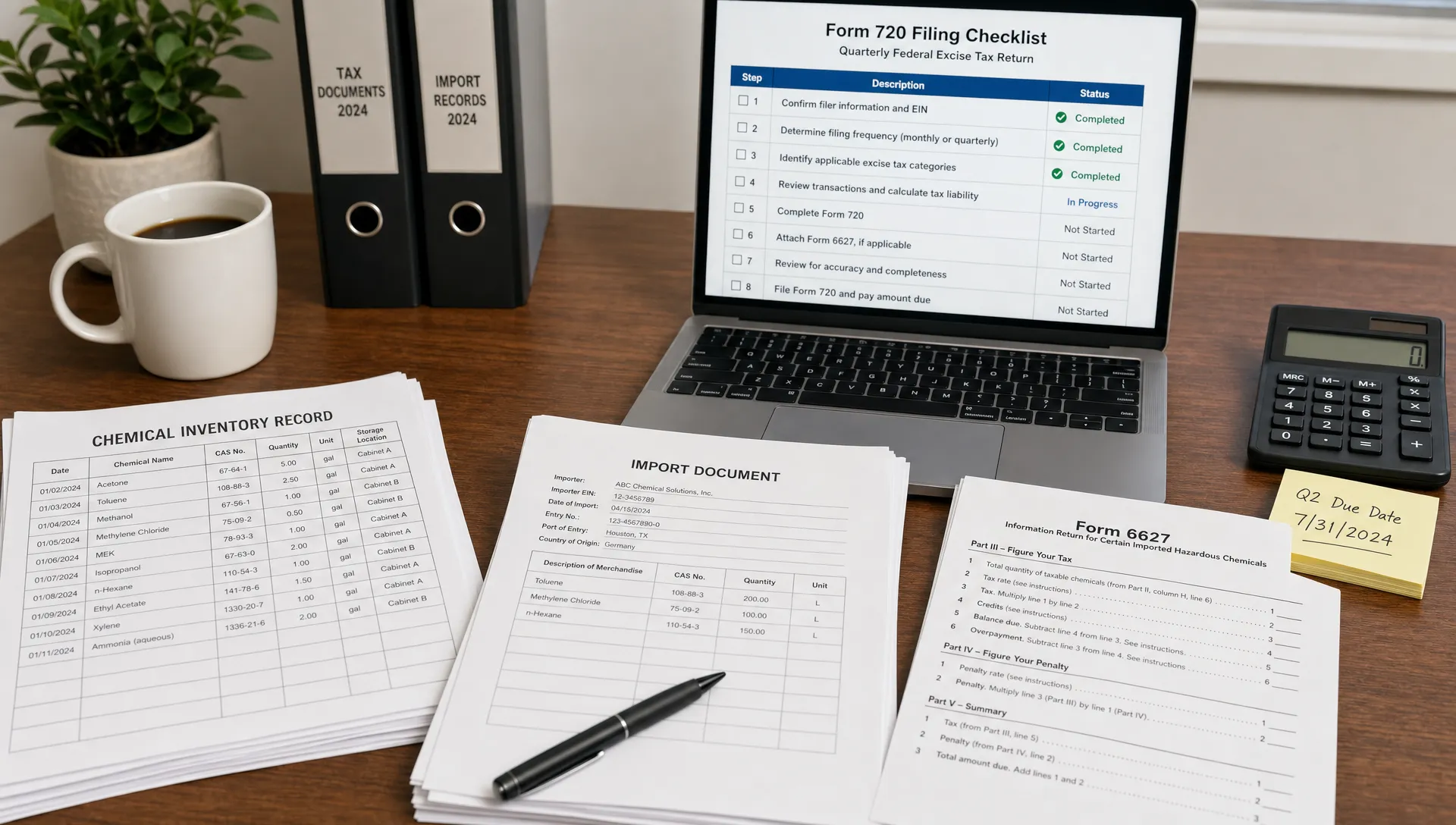
For businesses asking how to file superfund chemical tax, the reporting sequence is straightforward, but the supporting calculations must be accurate. First, calculate the environmental tax on Form 6627. Then carry the appropriate totals to Part I of Form 720, Quarterly Federal Excise Tax Return.
Form 6627 is used to detail environmental tax calculations. Superfund chemical excise tax amounts are commonly associated with IRS No. 54 for taxable chemicals and IRS No. 17 for imported taxable substances. The exact line treatment depends on the tax type and the version of the form you are filing.
Save the chemical substances superfund tax rate backup with your records, including the source of the rate, quantity calculations, import classification and any supplier documentation. If the IRS questions the return, the calculation file matters as much as the submitted form.
When Is the Superfund Chemical Tax Due?
Form 720 is filed quarterly. The general deadline is the last day of the month following the end of the calendar quarter. If the due date falls on a weekend or legal holiday, the deadline generally moves to the next business day.
A superfund chemical tax form 720 filing calendar should also include semimonthly deposits. Chemical tax liabilities are generally deposited for the first 15 days of the month and for the 16th through the end of the month. Deposits are usually due before the quarterly return itself.
| Quarter | Period covered | 2026 Form 720 due date |
|---|---|---|
| Q1 | January 1 to March 31 | April 30, 2026 |
| Q2 | April 1 to June 30 | July 31, 2026 |
| Q3 | July 1 to September 30 | November 2, 2026 |
| Q4 | October 1 to December 31 | February 1, 2027 |
Late filing, late payment or missed deposits can lead to Form 720 penalties and interest. Deposit rules can be strict, so build a monthly review process instead of treating this as a once per quarter task.
How to Pay the Superfund Chemical Tax
Most businesses make federal tax deposits electronically through EFTPS or through an approved electronic payment option when filing. A superfund chemical tax form 720 workflow should reconcile each semimonthly deposit against the quarterly liability before the return is submitted.
If your deposits exceed the quarterly liability, review the Form 720 instructions for how to report overpayments or apply them. If deposits are short, pay the remaining balance by the due date and review why the deposit estimate was off.
Businesses that file Form 720 for multiple categories, such as environmental tax, communications tax, fuel tax or the PCORI Fee, should separate payment schedules by tax type. The same quarterly return does not mean every excise tax has the same calculation method or business trigger.
Common Superfund Chemical Tax Filing Mistakes to Avoid
A superfund chemical tax form 720 return is only as reliable as the product classification and calculation file behind it. The most common mistakes happen before the filer reaches the signature page.
Avoid these issues when preparing your return:
- Treating Section 4661 taxable chemicals and Section 4671 imported taxable substances as the same category
- Filing Form 720 without attaching Form 6627 when environmental tax details are required
- Using a product trade name instead of verifying the actual chemical composition
- Missing semimonthly deposits because the return itself is quarterly
- Mixing Superfund chemical tax with PCORI Fee reporting or other unrelated Form 720 categories
- Failing to reconcile deposits, credits and prior quarter adjustments before filing
- Ignoring updated superfund excise tax IRS guidance before the return is prepared
Teams looking for domestic petroleum superfund tax explained should not fold petroleum analysis into a chemical tax workpaper without checking the specific rules. For a related but separate topic, review this domestic petroleum superfund tax explained resource before combining environmental tax categories.
Frequently Asked Questions
Who is required to file a form 720? Businesses that owe federal excise taxes reported on IRS Form 720 must file. This can include businesses with liabilities for fuel, environmental taxes, communications taxes, indoor tanning services, the PCORI Fee and other listed excise tax categories. For chemical Superfund purposes, manufacturers, producers and importers may need to file depending on the taxable event.
Who pays the Superfund tax? The Superfund Chemical Excise Taxes are generally paid by manufacturers, producers or importers of taxable chemicals, plus importers of taxable chemical substances. The responsible party depends on whether the liability arises under Section 4661 or Section 4671.
What are the instructions for completing form 720? Start by identifying the excise tax category, then calculate the tax using the correct IRS number, rate and supporting form. For a superfund chemical tax form 720 return, complete Form 6627 for environmental tax calculations, transfer the correct totals to Part I of Form 720, reconcile deposits and submit the return by the quarterly deadline.
Is form 720 still required? Yes. IRS Form 720 is still required for taxpayers that owe reportable federal excise taxes. Superfund Chemical Excise Taxes are also still reported through Form 720, with Form 6627 attached when applicable.
File Superfund Chemical Tax on Form 720 With Less Guesswork
If you need a practical answer to how to file superfund chemical tax, start with accurate classification, complete Form 6627 and submit Form 720 on time. eFileExcise720 is an IRS-authorized e-file provider that helps businesses file Form 720 online with secure data handling, no software download, dashboard navigation and customer support. The platform also supports Form 720 amendments through Form 720-X and Form 8849 claims support when those workflows apply.